5 november, 2026
China and the Gulf States beyond the Iran War: Prospects and implications for Europe
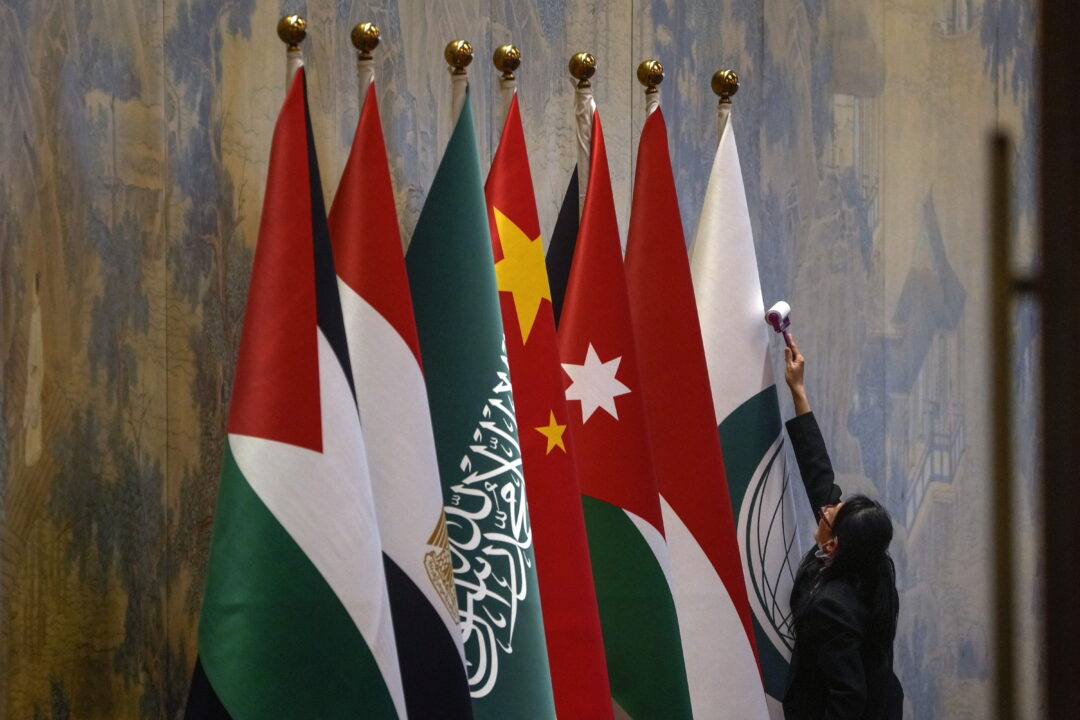
Andy Wong / AP / TT
Summary
- The Iran War has exposed the limits of United States (US) protection in the Gulf and directly hit Chinese interests. Yet China has remained notably passive, avoiding exercising pressure on Iran or claiming a larger security role, to the frustration of the Gulf Cooperation Council (GCC) member states.
- China’s restraint in the Gulf is unlikely to change. The Gulf matters less to China than its economic footprint suggests: Beijing can cushion supply disruptions, secure passage for its own ships, and free-ride on US protection of sea lanes whose security benefits all importers alike. Its foreign policy tradition also makes it reluctant to take on security responsibilities far from home.
- The economic relationship between China and the Gulf states is also more asymmetric and contested than its scale implies. China is the GCC’s largest trading partner, but Chinese imports increasingly compete with the industries the Gulf seeks to build, and AI has become an arena of US–China rivalry in the region.
- The GCC states will likely continue to hedge their bets: the war has eroded trust in the US, but China is not seen as an alternative security guarantor.
- Europe shares China’s dependence on Gulf stability and its reliance on US protection. Rather than waiting for the US to decide on its future policy toward the region, European states and the EU should build on existing security cooperation with GCC partners, especially in maritime and air defence. They should also work with the Gulf States to address Chinese economic overcapacity and support the region’s economic diversification through services and industrial cooperation.
Om författarna